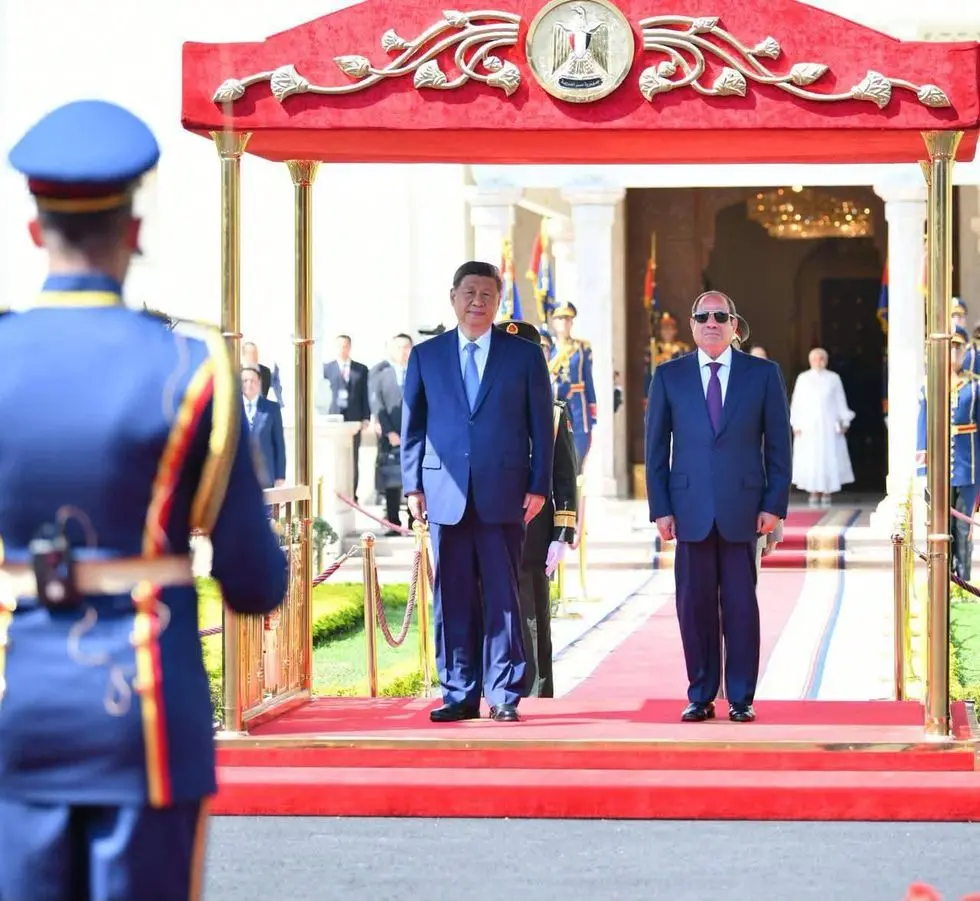
The Shift Toward Economic Diplomacy
Beijing is rapidly expanding its diplomatic and economic reach across the Middle East, effectively challenging the long-standing dominance of the United States in the region. While Washington remains focused on maintaining traditional military installations, China is leveraging trade, infrastructure investment, and diplomatic mediation to build a new, influential role.
The United States often views regional influence through the narrow lens of military presence and base security. American policymakers frequently worry that closing a single military facility could diminish their geopolitical standing. However, Beijing has demonstrated that influence is not solely tied to troop deployments or defense pacts.
China has spent the last decade quietly weaving itself into the economic fabric of Middle Eastern nations. By prioritizing large-scale infrastructure projects and energy partnerships, Beijing has become an indispensable trade partner for countries across the region. This strategy allows China to exert significant soft power without the political baggage often associated with Western military interventions.
Can Washington Recalibrate Its Regional Strategy?
While the Pentagon remains preoccupied with repairing bases damaged during past regional conflicts, Chinese officials have focused on long-term stability through commerce. This approach appeals to many regional leaders who seek economic development over military entanglement. Beijing’s ability to act as a neutral mediator in local disputes has further solidified its reputation as a reliable alternative to Western powers.
The core question remains whether the U. S. can adapt its foreign policy to compete in an era defined by economic statecraft rather than military force. Washington must decide if its current focus on hardware and security guarantees is sufficient to maintain its status as the primary regional power broker. If the U. S. continues to prioritize military presence over economic integration, it risks losing further ground to China’s multifaceted strategy.
Frequently Asked Questions
The shift in influence suggests a fundamental change in how international power is projected in the modern era. As China continues to deepen its ties, the Middle East is becoming a central theater for this global competition. The long-term consequences will likely redefine alliances and trade routes for decades to come.
How is China increasing its influence in the Middle East? China is using economic investments, infrastructure projects, and diplomatic mediation to build strong relationships. This strategy focuses on trade and stability rather than military presence.
Why is the U. S. approach considered outdated? Critics argue the U. S. relies too heavily on military bases and security presence. This narrow focus fails to address the growing importance of economic partnerships in regional geopolitics.