How Sticky Is Inflation Really?
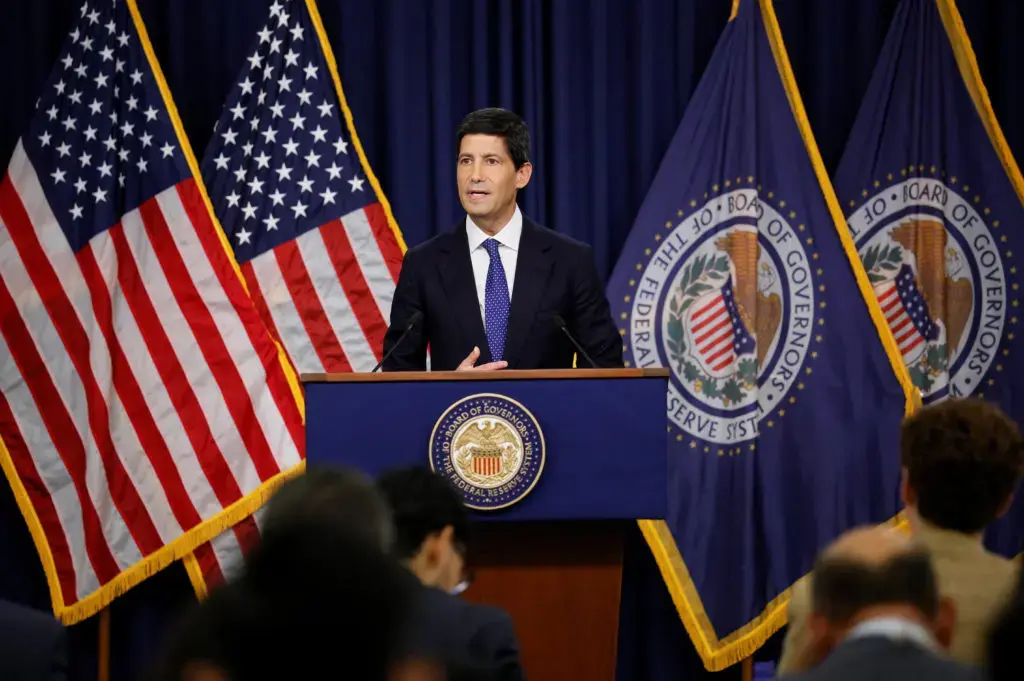
The Federal Reserve raised interest rates again on September 20, signaling a shift from the long era of low inflation and slow growth that followed the Great Recession. Policymakers cited persistent price pressures and stronger-than-expected economic momentum as reasons for the move. The decision marks a clear break from the nearly 15-year period of near-zero rates that began after the 2008 financial crisis.
This new rate increase reflects growing concern that inflation is not fading as quickly as hoped, even as the economy expands at a faster pace than many forecasters predicted. Officials noted that wage growth, consumer spending, and business investment have remained resilient, contributing to upward pressure on prices. The Fed now sees a need to maintain tighter monetary policy for longer to ensure inflation returns to its 2 percent target without derailing the expansion.
What Does Faster Growth Mean for Monetary Policy?
Inflation has proven more persistent than anticipated, with core prices excluding food and energy rising steadily over the past year. While energy costs have eased, services inflation—driven by housing, healthcare, and wages—has stayed elevated. Fed officials argue that temporary factors alone cannot explain the current trend, pointing instead to deeper structural shifts in labor and product markets. They warn that premature rate cuts could reignite inflationary pressures, forcing a more painful correction later.
Stronger economic growth complicates the Fed’s task, as it reduces the risk of triggering a recession through rate hikes but increases the chance of overheating. The central bank now balances the need to cool demand against the danger of stalling job creation or business expansion. Recent data shows GDP expanding at a solid clip, unemployment near historic lows, and consumer confidence holding up. This environment gives the Fed more room to act firmly, though it also raises questions about how high rates might need to go to achieve lasting price stability.
Why did the Fed raise rates despite concerns about slowing growth? The Fed sees inflation as too high and persistent, and believes the economy is strong enough to withstand higher borrowing costs without tipping into contraction.
Frequently Asked Questions
How long might rates stay at this level? Officials suggest rates may need to remain restrictive for an extended period, possibly into 2025, depending on how inflation and labor market trends evolve.
Could this lead to a recession? While the risk exists, the Fed believes its current approach aims to achieve a soft landing—reducing inflation without causing a significant downturn—though success is not guaranteed.