Hospitals in affected areas are seeing more admissions
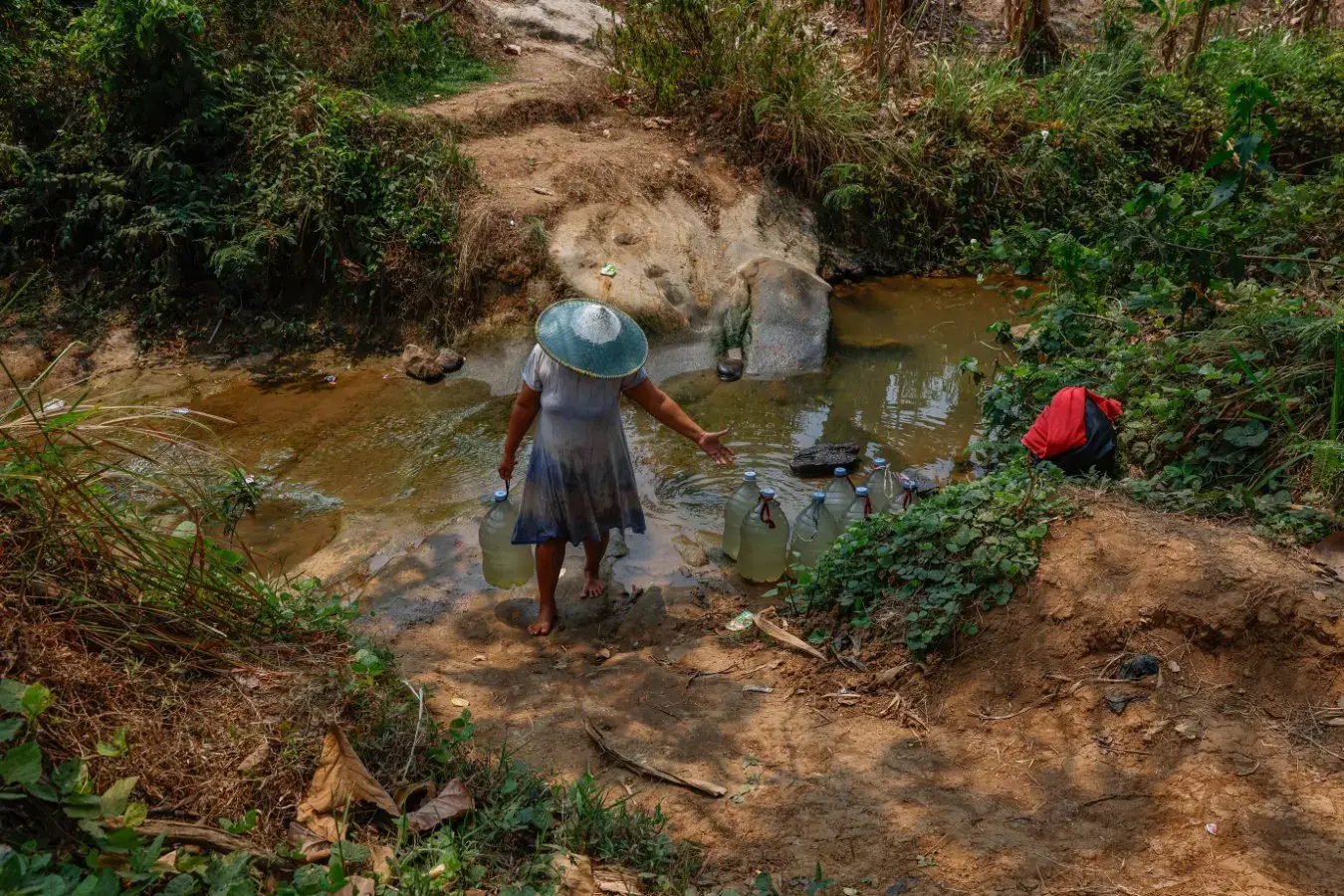
Global temperatures are rising sharply due to a record-breaking El Niño event, putting hundreds of thousands of lives at risk. Scientists warn that without immediate intervention, approximately 450,000 additional deaths could occur worldwide by February. The phenomenon is intensifying heatwaves and worsening drought conditions in vulnerable regions. The current El Niño is among the strongest ever recorded, driving extreme weather patterns across continents. In places like West Java, Indonesia, communities are already struggling as rivers dry up and access to clean water becomes scarce. Villagers are seen collecting water from dwindling creeks, a sign of the growing humanitarian strain. Higher temperatures increase the risk of heat-related illnesses, exacerbate existing health conditions, and reduce crop yields, threatening food security. How Climate Extremes Are Straining Public Health Systems Health officials report a surge in cases of dehydration, heatstroke, and respiratory issues linked to the rising temperatures.
Hospitals in affected areas are seeing more admissions, particularly among the elderly and those with pre-existing conditions. In rural zones, limited medical infrastructure makes it harder to respond effectively. Experts stress that early warning systems and access to cooling centers could significantly reduce mortality if deployed quickly. Can Early Action Prevent a Worsening Crisis? Researchers say the projected death toll is not inevitable and depends on how fast governments and aid organizations act. Distributing clean water, setting up shade shelters, and launching public awareness campaigns are among the recommended measures. International cooperation is also crucial, especially for low-income nations lacking the resources to cope independently. Delays in response could turn a manageable situation into a preventable tragedy. Frequently Asked Questions What is El Niño and why is it causing higher temperatures? El Niño is a climate pattern where ocean temperatures in the Pacific rise above average, disrupting global weather systems.
This leads to hotter conditions in many regions, increasing the likelihood of heatwaves and droughts
This leads to hotter conditions in many regions, increasing the likelihood of heatwaves and droughts. Who is most at risk during this El Niño event? Older adults, children, outdoor workers, and people with chronic illnesses are especially vulnerable to heat-related health problems. Those living in poverty or remote areas face greater risks due to limited access to healthcare and resources. What steps can reduce the number of deaths linked to this heatwave? Providing clean water, creating cooling spaces, issuing heat alerts, and checking on vulnerable neighbors can save lives. Governments and NGOs are urged to act swiftly to implement these measures before conditions worsen.