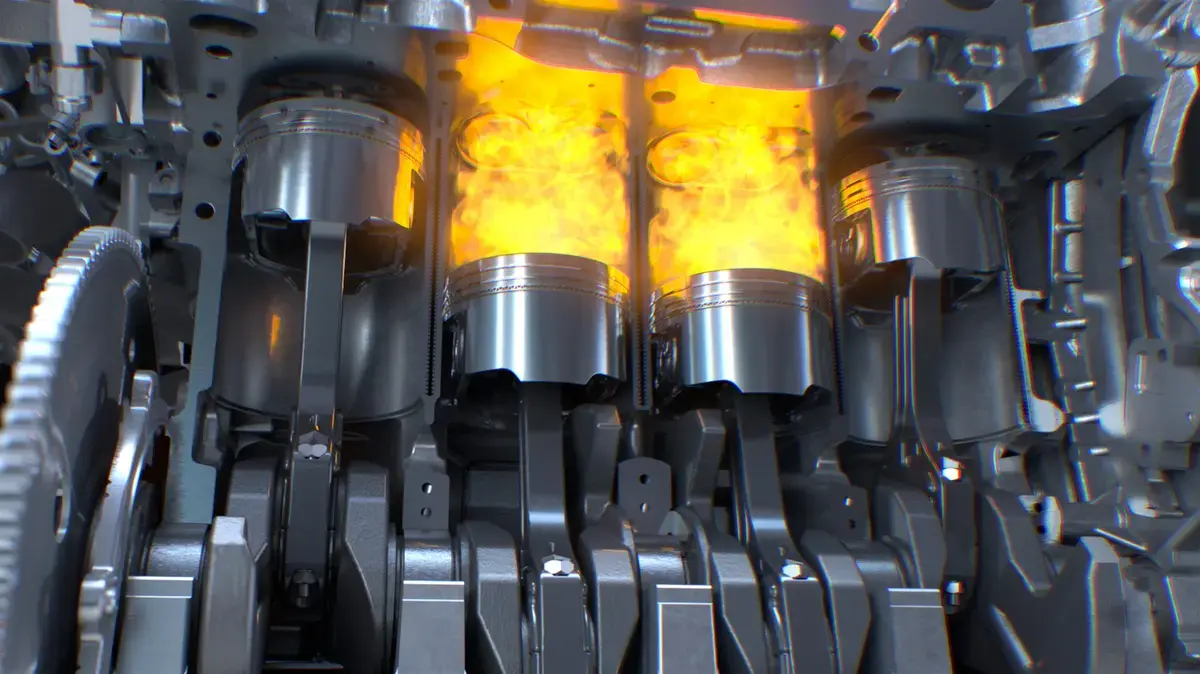
The Consequences of an Imbalanced Mix
Modern engines rely on a precise air-fuel mixture for efficient combustion. The ideal ratio is crucial for optimal performance. This balance is key to a well-functioning engine. Engine manufacturers strive to achieve this perfect blend.
In an ideal scenario, the air-fuel mixture, or stoichiometric ratio, is exactly 14.7 parts air to one part gasoline. This precise balance allows for complete combustion, maximizing engine efficiency and minimizing emissions. The internal combustion process is highly sensitive to this ratio.
When the air-fuel ratio is off, engine performance suffers. Too much air can cause the engine to run lean, leading to increased fuel consumption and potentially damaging the engine. Conversely, too much fuel can cause the engine to run rich, resulting in decreased fuel efficiency and increased emissions.
Is Your Engine Running Lean or Rich?
A lean mixture can cause engine knock or pinging, which can lead to costly repairs if left unchecked. On the other hand, a rich mixture can clog catalytic converters and damage oxygen sensors. Engine damage can be costly and time-consuming to repair.
Engineers use various methods to diagnose air-fuel ratio issues. They analyze data from oxygen sensors and fuel injectors to determine if the engine is running lean or rich. Adjustments can then be made to restore the ideal air-fuel mixture.
If the air-fuel ratio is not corrected, it can lead to decreased engine performance, reduced fuel efficiency, and increased emissions. In extreme cases, it can cause costly engine damage.
Frequently Asked Questions
What happens if my engine runs lean? A lean engine mixture can cause increased fuel consumption and potentially damage the engine. It can also lead to engine knock or pinging.
How do I know if my engine is running rich? Signs of a rich engine mixture include decreased fuel efficiency, increased emissions, and clogged catalytic converters.
Can I adjust the air-fuel ratio myself? Adjusting the air-fuel ratio requires specialized knowledge and equipment. It's best to consult a professional mechanic for diagnosis and repairs.