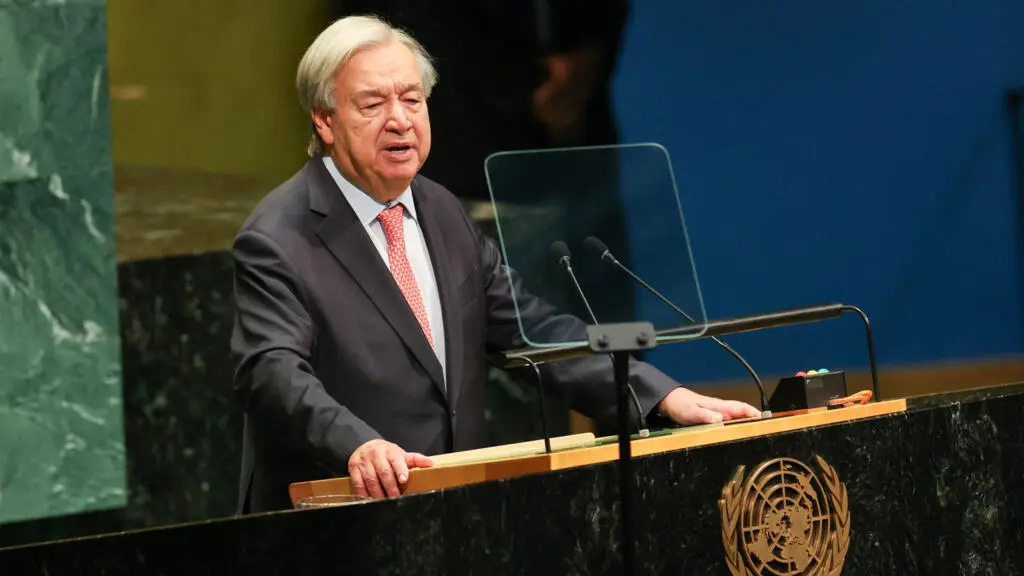
A Blueprint for Mutual Reliance
UN Secretary-General Antonio Guterres delivered his final speech to the General Assembly on Tuesday. He urged world leaders to build a global system based on mutual reliance. This annual gathering brings together heads of state from around the world. They convene to tackle a complex list of pressing international issues. The session marked a significant moment in diplomatic history.
The Secretary-General emphasized that isolation is no longer a viable strategy for nations. He argued that countries must recognize their shared vulnerabilities. Climate change, ongoing wars, and economic instability define the current landscape. Guterres suggested that cooperation is the only path forward. He warned that acting alone leads to greater fragility. Leaders listened as he outlined a vision for collaborative governance.
Guterres proposed a framework where nations support one another’s strengths. He highlighted that no single country can solve global problems independently. Energy security, food supply, and technological development require joint efforts. The speech stressed the need for trust among diverse political systems. He called for institutions that prioritize collective well-being over national competition. This approach aims to reduce friction between major powers. It seeks to create a stable environment for long-term planning.
Can Diplomacy Outpace Rising Tensions?
The General Assembly session provided a platform for this message. Delegates from member states responded to his plea. Many agreed that the current geopolitical climate demands new strategies. Guterres noted that interdependence is already a reality. He simply advocated for embracing it intentionally rather than resisting it. This shift in perspective could reshape future diplomatic negotiations.
The effectiveness of this call remains under scrutiny. World leaders face immediate pressures from regional conflicts. Economic disparities continue to widen the gap between nations. Guterres acknowledged these challenges but maintained hope. He believed that structured dialogue could bridge existing divides. The outcome of this year’s assembly will test his theories. Observers are watching closely for concrete commitments.
Frequently Asked Questions
The final address serves as a benchmark for future policy. Success depends on how quickly nations adopt cooperative measures. The transition from competition to collaboration requires patience. It also demands strong leadership from key global players. The coming months will reveal if the sentiment gains traction. Diplomatic channels remain open for further discussion.
Why did Guterres focus on interdependence? He believes that modern global challenges are too large for individual nations to handle alone. Mutual reliance ensures that solutions are sustainable and effective across borders.
What specific issues were mentioned in the speech? The address highlighted climate change, active wars, and economic instability as primary concerns. These factors drive the need for stronger international cooperation.