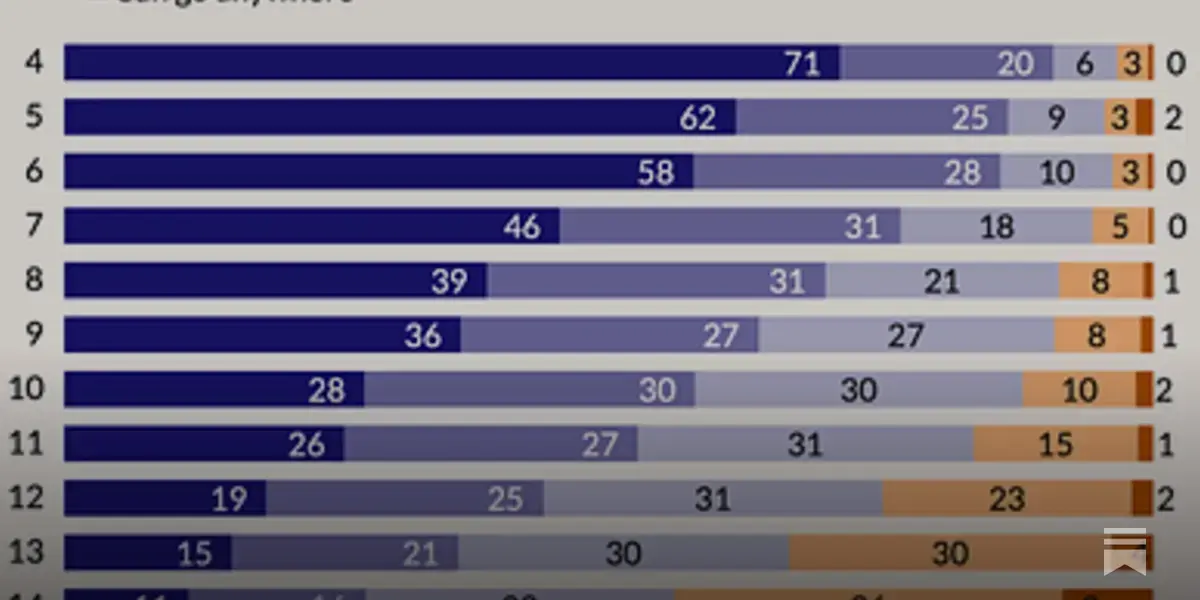
The Impact of Safetyism on Childhood Development
In recent years, the trend of overprotecting children has led to significant changes in how they experience freedom. Many children today are rarely allowed to venture beyond their front yards, resulting in a loss of independence and social skills. This shift can be seen as a response to growing safety concerns, but it raises questions about the long-term effects on youth development.
As a child, I often rode my bike to play with friends or participate in neighborhood games. These experiences were formative, fostering creativity and resilience. However, today’s children face a different reality. Parents are increasingly hesitant to let their kids roam freely, fearing accidents or stranger danger. This protective instinct, often referred to as „safetyism,”has reshaped childhood experiences, limiting opportunities for exploration and self-discovery.
The rise of safetyism has profound implications for children's development. Without the chance to take risks, children miss out on learning important life skills. They are less likely to develop problem-solving abilities and independence. Studies suggest that unstructured play is essential for fostering creativity and social interaction. The absence of these experiences can lead to increased anxiety and a lack of confidence in navigating the world.
Are We Protecting or Hindering Our Children?
Furthermore, this overprotective culture can strain parent-child relationships. Children may feel stifled by constant supervision and restrictions, leading to rebellion or disengagement. The balance between ensuring safety and allowing freedom is delicate. Parents must consider the long-term effects of their choices on their children's growth and autonomy.
The question arises: are we truly protecting our children, or are we hindering their development? While it is vital to ensure their safety, it is equally important to allow them the freedom to explore. Children learn from making mistakes and facing challenges. By shielding them from risks, we may inadvertently prevent them from developing the resilience needed to thrive in adulthood.
Moreover, the societal implications of safetyism extend beyond individual families. Communities become less vibrant when children are confined to their homes. Neighborhood interactions diminish, and a sense of community can fade. Encouraging children to engage with their surroundings can foster stronger social bonds and a greater sense of belonging.
In conclusion, the trend of safetyism poses significant challenges to childhood development. While parents' intentions are rooted in care, the consequences of excessive protection can be detrimental. Striking a balance between safety and independence is crucial for nurturing resilient, confident children who can navigate the complexities of life.
Frequently Asked Questions
What is safetyism? Safetyism refers to a cultural trend where individuals prioritize safety to the extent that it limits personal freedom and risk-taking, particularly in children.
How does safetyism affect children's development? Excessive protection can hinder children's ability to develop independence, problem-solving skills, and social interactions, potentially leading to increased anxiety and decreased confidence.
What can parents do to encourage independence? Parents can gradually allow their children more freedom to explore their surroundings, engage in unstructured play, and learn from their experiences while ensuring reasonable safety measures are in place.