Vessel Counts Show Mild Decline Amid Steady Background Activity
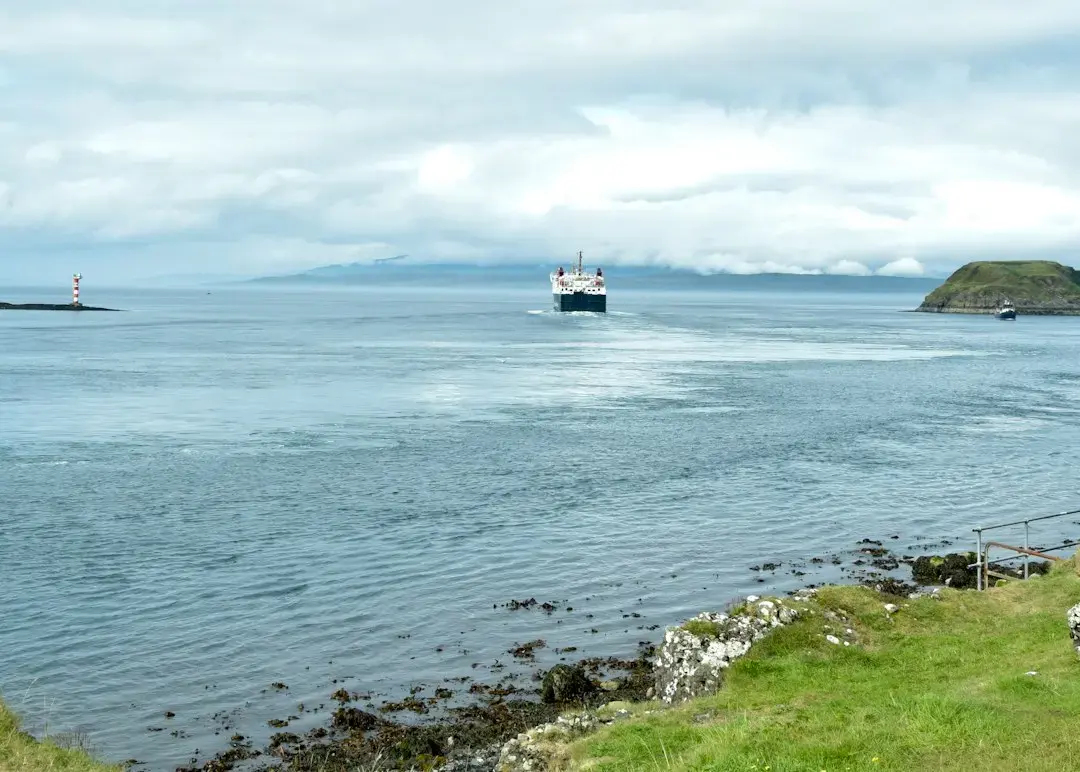
Three cargo vessels passed through the Strait of Hormuz on Tuesday, according to preliminary shipping data released Wednesday. This marks a decrease from four vessels the previous day and falls below the 10-day moving average of approximately 15 transits. The data, which may be adjusted as some ships disable tracking systems during transit, reflects ongoing monitoring of one of the world’s most critical oil chokepoints.
The Strait of Hormuz, located between Oman and Iran, serves as a vital route for global energy shipments, with about a fifth of the world’s oil passing through its waters. Fluctuations in traffic can signal shifts in regional tensions, sanctions enforcement, or operational decisions by shipping companies. Analysts often use such transit counts as early indicators of market stability or disruption in Gulf energy flows.
How Reliable Are Daily Transit Figures From the Strait?
The three vessels recorded on Tuesday were all classified as commodity carriers, though specific cargo types were not disclosed in the initial report. Shipping analysts noted that while the dip below the 10-day average is notable, it does not yet indicate a significant disruption. Variations in daily counts are common due to scheduling, weather, or temporary transponder shutdowns for security or operational reasons. Officials emphasized that the data remains preliminary and subject to revision as more complete tracking information becomes available.
Daily vessel counts through the Strait of Hormuz are derived from automatic identification system (AIS) signals, which most commercial ships broadcast. However, some vessels temporarily turn off these transponders, particularly in sensitive areas, which can lead to undercounting. As a result, authorities and analysts often rely on multi-day averages to smooth out anomalies and assess true traffic trends. The 10-day moving average helps provide a more stable baseline for evaluating whether observed changes reflect genuine shifts in activity.
What does a drop below the 10-day average in Hormuz traffic suggest? A single day below average does not necessarily indicate a trend; it may reflect normal variability in shipping schedules or temporary transponder use. Sustained declines over several days would be more indicative of broader changes in regional shipping patterns.
Frequently Asked Questions
Why do some ships turn off their transponders in the Strait? Vessels may disable AIS signals for security reasons, to avoid detection in politically sensitive zones, or due to operational protocols during certain phases of transit. This practice complicates real-time monitoring but is accounted for in longer-term data analysis.
Is the Strait of Hormuz still considered a high-risk area for shipping? Yes, due to its narrow width and geopolitical significance, the Strait remains a focal point for international maritime security efforts. Any disruption could have significant implications for global energy markets, prompting close watch by navies and shipping firms alike.