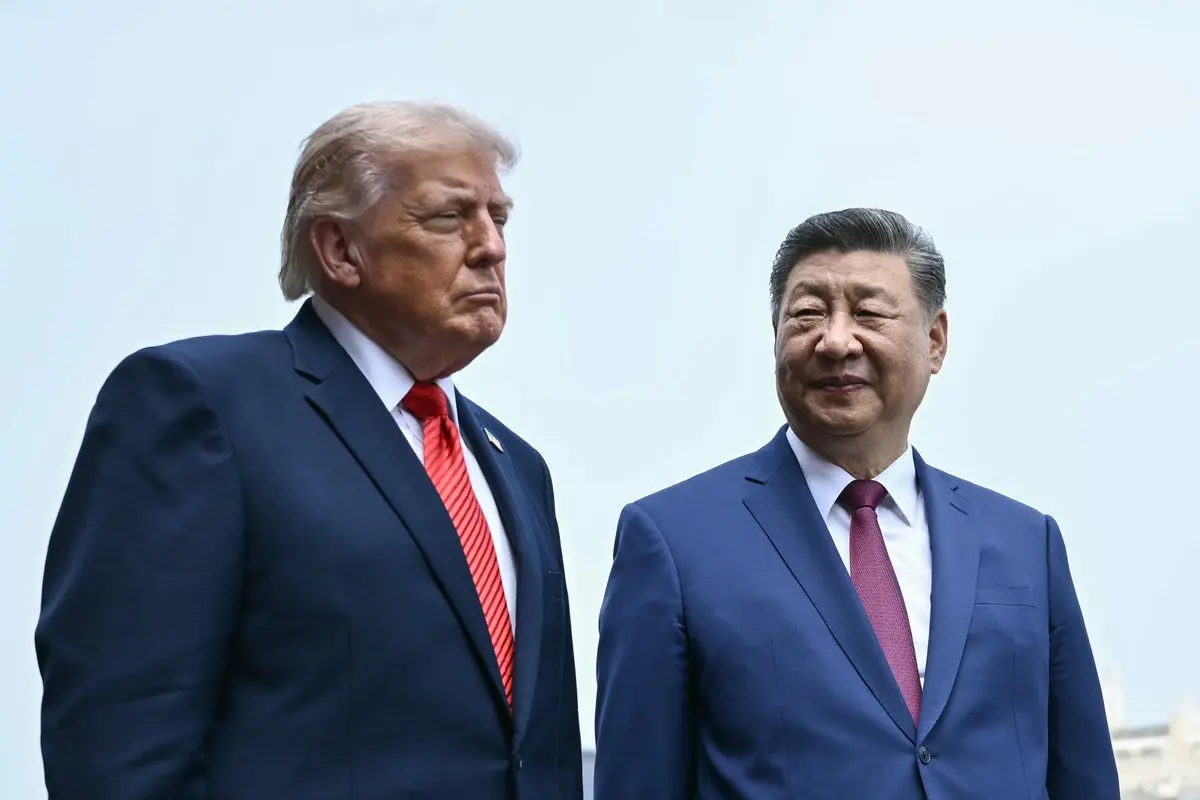
Observers note the move may reflect Trump’s preference for direct, personal diplomacy
Chinese President Xi Jinping is set to arrive in Washington for a high-stakes visit, where he will be greeted on the tarmac by President Donald Trump in an uncommon diplomatic gesture. The meeting marks the start of Xi’s official trip to the United States, with both leaders aiming to address growing tensions over trade, technology, and regional security. The planeside welcome, typically reserved for close allies or special occasions, underscores the significance Trump places on personal engagement with his Chinese counterpart despite ongoing disagreements. The unusual protocol breaks from standard procedure, where foreign leaders usually proceed directly to the White House after landing. By meeting Xi at the airfield, Trump signals a willingness to engage face-to-face early in the visit, potentially setting a tone for discussions that could influence bilateral relations.
Observers note the move may reflect Trump’s preference for direct, personal diplomacy, even as his administration maintains a firm stance on issues like intellectual property theft and market access. The gesture also highlights the delicate balance between cooperation and confrontation defining U. S.-China ties. Why Trump Chose the Tarmac for Xi’s Arrival Trump’s decision to greet Xi on the runway appears designed to project strength and control while avoiding the symbolic weight of a formal White House reception. Advisors suggest the president believes such personal interactions can yield better outcomes than structured negotiations. The setting allows for immediate, informal dialogue before official talks begin, possibly reducing ceremonial barriers. Critics, however, argue the move risks appearing overly deferential to a strategic rival, especially amid accusations of Chinese economic aggression.
Supporters counter that it demonstrates confidence in managing complex relationships through direct engagement
Supporters counter that it demonstrates confidence in managing complex relationships through direct engagement. How Might This Gesture Affect Talks on Trade and Security? The tarmac meeting could serve as a confidence-building measure, creating space for candid conversation on contentious topics like the trade deficit, South China Sea disputes, and North Korea’s nuclear program. Early rapport might ease tensions during subsequent negotiations, though structural disagreements remain deep-rooted. Analysts warn that symbolic gestures alone cannot resolve systemic issues, but they may prevent escalation by fostering mutual understanding. The visit’s success will likely depend on whether both sides can translate personal chemistry into concrete progress on long-standing disputes. Frequently Asked Questions Why is a planeside welcome considered rare for foreign leaders? Such greetings are uncommon and usually reserved for close allies or historic occasions, making Trump’s gesture notable given the strategic rivalry between the U. S. and China.
What topics are expected to dominate discussions between Trump and Xi? Trade imbalances, technology transfer, intellectual property rights, and regional security concerns including North Korea and the South China Sea are anticipated to be central to their talks. Does this visit signal a thaw in U. S.-China relations? While the personal engagement suggests a willingness to dialogue, fundamental differences persist, meaning any improvement would likely be incremental rather than transformative.