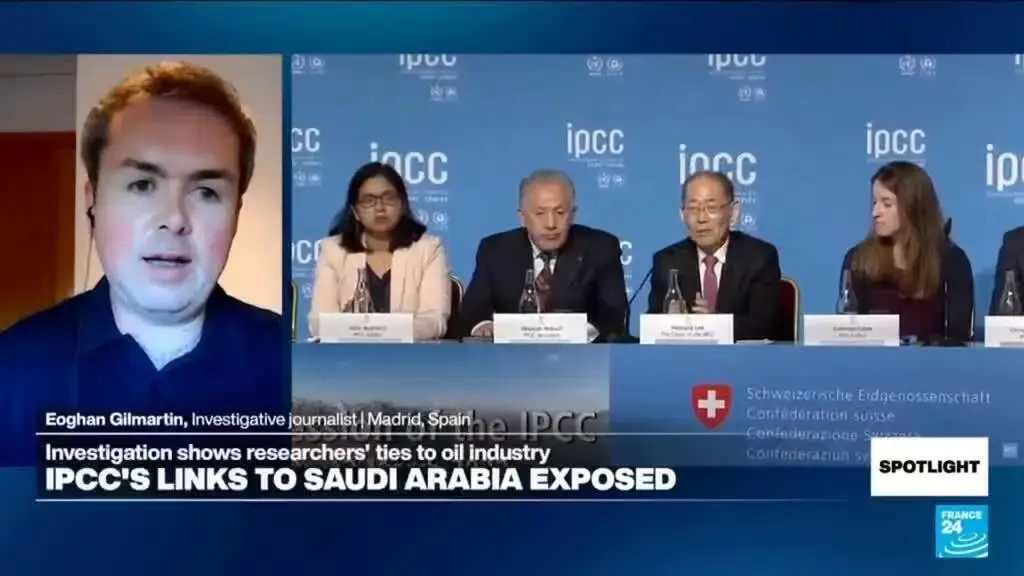
How Close Are Climate Scientists to Oil Interests?
Investigative journalists have raised fresh questions about the independence of global climate science after uncovering connections between a UN climate body and Saudi Arabia's petroleum sector. The findings emerged from a joint investigation by The Guardian and other outlets, focusing on the Intergovernmental Panel on Climate Change (IPCC), the UN's leading climate authority.
The IPCC, which influences global climate policy through its scientific assessments, has faced criticism for its reliance on contributors linked to fossil fuel industries. Among those identified is a Saudi government advisor who participated in drafting key IPCC reports. This individual has previously worked with Saudi Aramco, the state-owned oil giant, raising concerns about potential conflicts of interest in the panel’s mitigation strategies.
The investigation revealed that several experts involved in shaping IPCC recommendations have ties to energy companies or governments heavily invested in oil production. These connections were not always disclosed in official documentation, prompting calls for greater transparency. Critics argue that such relationships could subtly influence the panel’s guidance on reducing carbon emissions, particularly when it comes to policies affecting major oil-producing nations.
Should Climate Policy Be Shaped Behind Closed Doors?
François Picard, host of a related investigative podcast, discussed the implications with Eoghan Gilmartin, an award-winning reporter who contributed to the exposé. Gilmartin emphasized that while the IPCC maintains strict guidelines on disclosure, enforcement can be inconsistent. „There’s a difference between having industry experience and actively promoting corporate interests,” he noted.
The revelations have sparked debate among scientists, policymakers, and advocacy groups. Some defend the IPCC’s integrity, pointing out that diverse expertise—including from energy sectors—is sometimes necessary to understand real-world complexities. Others insist that any undisclosed affiliations undermine public trust in climate science, especially as governments use IPCC findings to justify sweeping environmental regulations.
Saudi Arabia’s Ministry of Energy did not respond to requests for comment. However, the country has increasingly positioned itself as a player in the global clean energy transition, investing billions in renewable projects while continuing to expand oil output capacity.
The fallout may reshape how international climate bodies vet their contributors. With the next IPCC assessment cycle underway, pressure is mounting for stricter conflict-of-interest protocols and full transparency in report authorship.
Frequently Asked Questions
What role does the IPCC play in climate policy? The IPCC assesses scientific research and provides reports used by governments to shape climate laws and agreements.
Are industry ties among IPCC contributors common? Some contributors have backgrounds in energy sectors, but undisclosed ties to oil companies are rare and increasingly controversial.
Could this affect future climate negotiations? Yes, if trust in the IPCC erodes, countries may question the legitimacy of its recommendations during treaty discussions.