Rebuilding the CDU: A New Reform Agenda
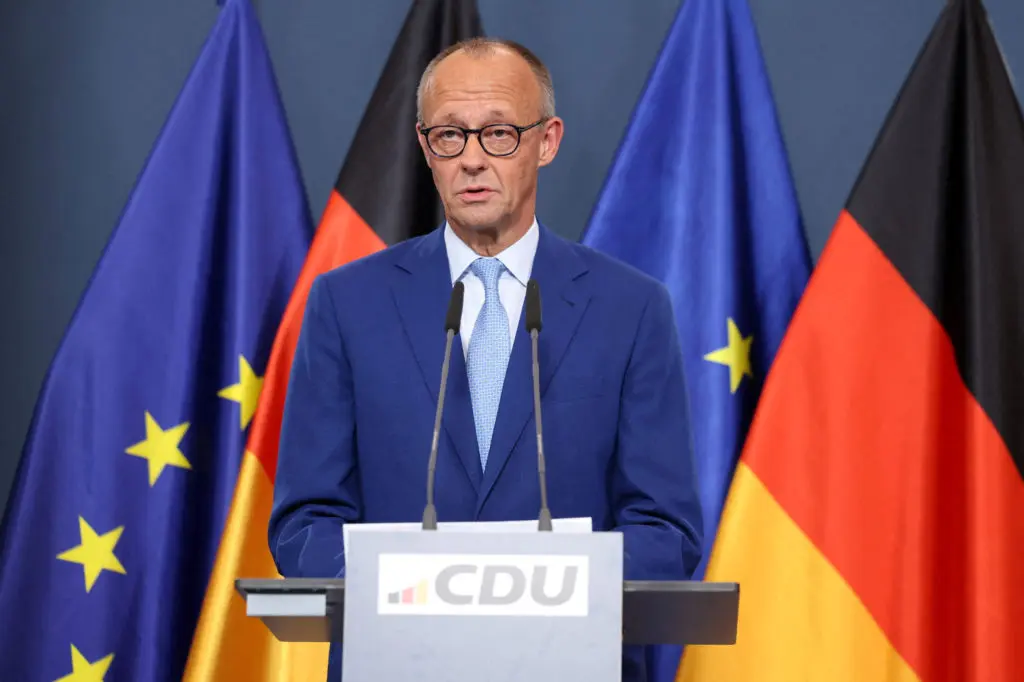
Friedrich Merz, the newly elected leader of Germany’s Christian Democratic Union, announced a comprehensive reform plan on Monday following the party’s unexpected losses in two recent state elections. The CDU, which had dominated German politics for decades, fell short in Mecklenburg‑Vorpommern and Schleswig‑Holstein, prompting calls for a fresh strategy. Merz addressed party delegates in Bonn, pledging to overhaul the CDU’s policies and internal structure to regain voter confidence.
The defeats were a shock to many observers. In Mecklenburg‑Vorpommern, the CDU secured only 28% of the vote, while in Schleswig‑Holstein it fell to 22%, both below the threshold needed to form a government. These results marked the first time the party has failed to win in two consecutive state elections. Merz’s remarks came amid growing frustration among party members, who feared that the CDU’s traditional platform was out of step with contemporary concerns.
Will the Reforms Turn the Tide? Critics and Supporters Weigh
Merz outlined a four‑point agenda aimed at modernizing the party’s image and policy mix. First, he pledged to strengthen economic policy by promoting small‑business growth and reducing regulatory burdens. Second, he emphasized a more ambitious climate strategy, promising to increase investment in renewable energy and support a transition to a carbon‑neutral economy. Third, the reform plan calls for a digital overhaul, including expanded broadband access and a national cybersecurity framework. Fourth, Merz highlighted the need to address migration and integration, proposing measures to improve social cohesion while maintaining security.
In addition to policy changes, Merz announced structural reforms within the CDU. He plans to create a youth council to ensure younger voices influence decision‑making and to revamp the party’s regional branches to better reflect local priorities. „We must listen to the people who feel unheard,” Merz said. „Only then can we rebuild trust.”
The CDU’s new direction has sparked debate. Critics argue that the proposed reforms are too late to reverse the party’s decline and that internal divisions will hamper implementation. Others see Merz’s plan as a necessary pivot that could restore the CDU’s relevance. „If the CDU wants to survive, it must adapt,” said a senior party analyst. „Merz has the experience, but the real test will be execution.”
Frequently Asked Questions
Merz acknowledged that the reforms would face resistance from traditionalists within the party. He emphasized a phased approach, beginning with pilot programs in select states before nationwide rollout. „Reform is a marathon, not a sprint,” he noted. „We will measure progress and adjust as needed.”
The party’s next major test will come in the 2025 federal election. Analysts predict that the CDU’s ability to attract voters will hinge on whether Merz can translate his agenda into tangible policy wins. The reforms also carry implications for coalition politics, as the CDU seeks to position itself as a viable partner for both the Social Democrats and the Greens.