Thawing Ice Fuels Extreme Weather Events
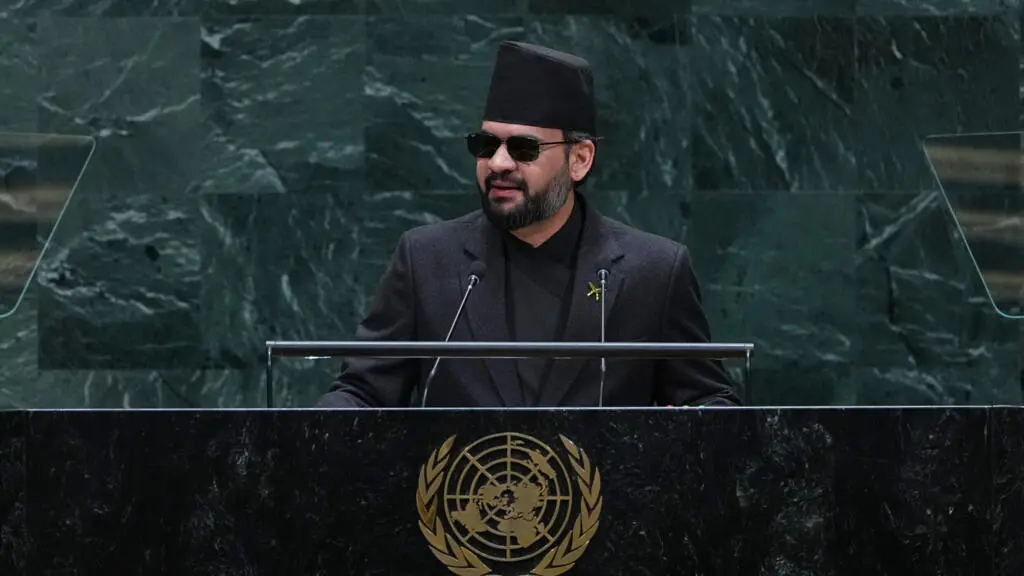
Nepal’s Prime Minister Balendra Shah addressed the United Nations on Thursday. He described last month’s devastating floods as a critical warning to the entire world. The disasters highlighted the escalating climate risks facing the Himalayan region. Shah emphasized that these events are not isolated incidents but part of a broader trend. The international community must recognize the urgency of the situation.
The Prime Minister explained that rising global temperatures are accelerating the melting of glaciers. Permafrost in the high-altitude regions is also thawing at an alarming rate. This rapid change destabilizes the mountain ecosystems that rely on frozen water storage. The resulting meltwater contributes to sudden and violent flooding in lower valleys. These hydrological shifts pose immediate threats to local communities and infrastructure.
Shah urged nations to provide substantial international support for climate adaptation. He argued that the Himalayas are on the front lines of climate change. The melting ice caps release vast amounts of water into river systems. This surge overwhelms natural drainage capacities during monsoon seasons. The floods that struck Nepal last month caused widespread destruction. Homes, roads, and agricultural land were submerged or eroded.
Can International Aid Match the Rising Threat?
The Prime Minister stressed that the damage was not just local. The instability of the Himalayan water tower affects millions downstream. Rivers in South Asia depend on consistent glacial flow for irrigation and power. Disrupted flows can lead to both floods and severe droughts. This unpredictability threatens food security and economic stability across the region.
Shah called for a coordinated global response to mitigate these risks. He requested financial assistance for disaster recovery and prevention measures. Building resilient infrastructure is essential to withstand future extreme weather events. Early warning systems need significant upgrades to save lives. The PM noted that Nepal has limited resources to handle such crises alone.
Frequently Asked Questions
International cooperation is vital for long-term sustainability. Developed nations must honor their commitments to climate finance. These funds should support vulnerable countries in adapting to new realities. The Himalayas are often called the roof of the world. Their degradation signals a planetary shift that demands immediate attention.
What specific climate changes did the PM identify as causes? Prime Minister Shah pointed to warming temperatures as the primary driver. He cited the accelerated melting of glaciers and permafrost. These processes increase water volume in rivers, leading to catastrophic floods.
What action did Nepal request from the UN? The Prime Minister urged the international community to provide support. He emphasized the need for resources to manage growing climate risks. This includes aid for recovery and infrastructure resilience.