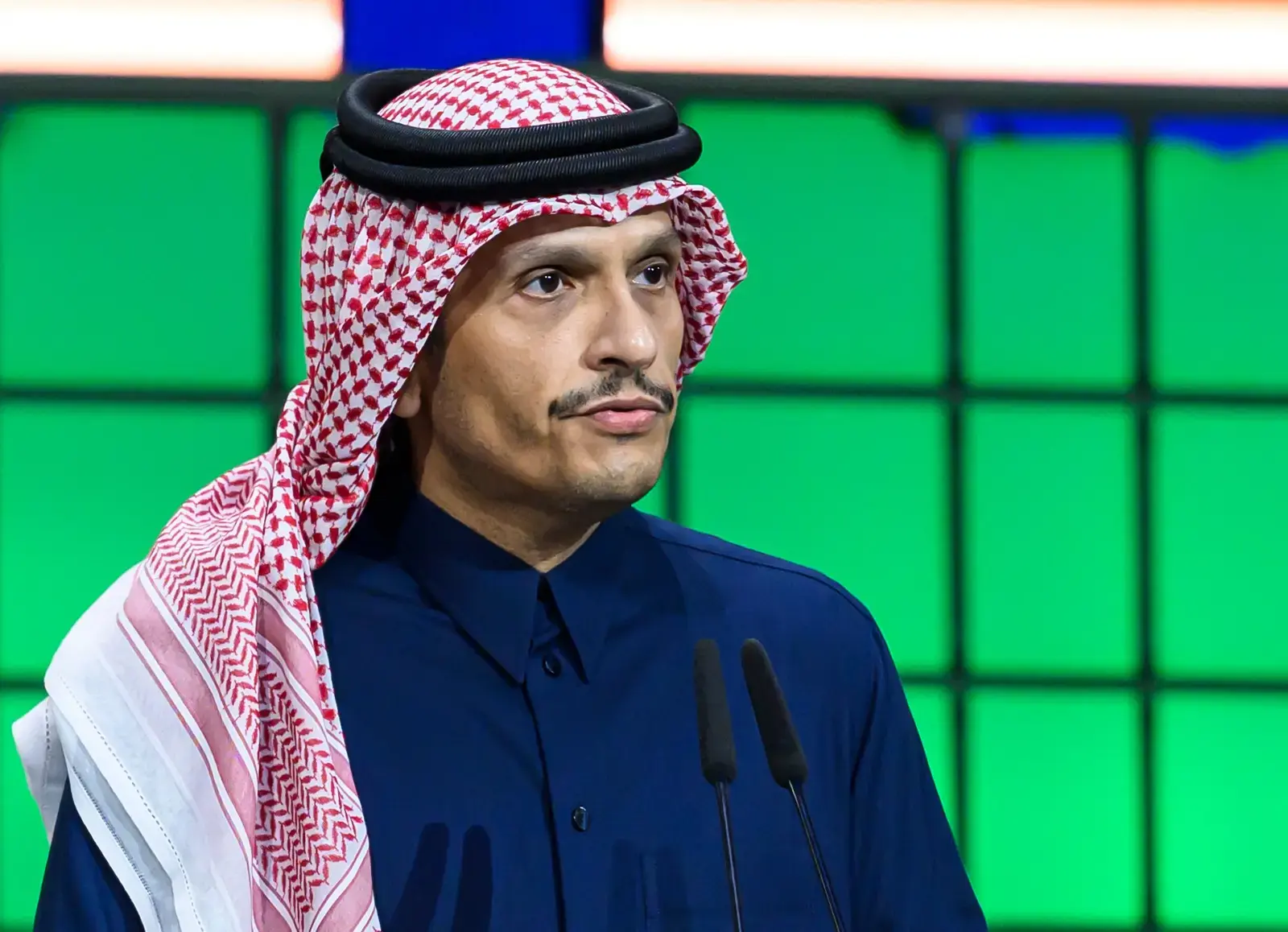
He reiterated Qatar’s commitment to dialogue
Sheikh Mohammed bin Abdulrahman Al Thani addressed the United Nations General Assembly in New York on September 25, 2024, describing the potential fallout of a US-Israel military confrontation with Iran as a seismic event that could destabilize the entire Middle East. Speaking during the annual high-level debate, the Qatari prime minister emphasized that such a conflict would not remain contained but would trigger widespread regional repercussions affecting energy markets, refugee flows, and security alliances across the Gulf and beyond. He called for urgent diplomatic engagement to prevent escalation, noting Qatar’s ongoing mediation efforts between regional actors. The prime minister’s remarks came amid heightened tensions following recent exchanges between Israel and Iranian-backed groups, alongside ongoing US military presence in the Gulf. Sheikh Mohammed warned that miscalculation could rapidly spiral into a broader war, disrupting global oil supplies and exacerbating humanitarian crises.
He reiterated Qatar’s commitment to dialogue, highlighting its role in facilitating indirect talks between Washington and Tehran in recent months. The premier also noted that Qatar had adjusted its foreign investment strategy to prioritize stability-focused partnerships, reducing exposure to volatile sectors while maintaining economic resilience. How Is Qatar Adjusting Its Foreign Policy Amid Rising Gulf Tensions? Qatar has shifted its investment focus toward long-term, infrastructure-driven projects in stable markets, according to Sheikh Mohammed, who spoke on the sidelines of the UNGA. This strategic pivot aims to shield the nation’s wealth funds from sudden geopolitical shocks while supporting sustainable development. The prime minister clarified that this does not signal retreat from regional engagement but rather a more prudent approach to safeguarding national interests.
He stressed that Qatar remains committed to mediating conflicts
He stressed that Qatar remains committed to mediating conflicts, citing its ongoing efforts to ease tensions between Lebanon and Israel and its support for Palestinian unity initiatives. What Role Can Diplomacy Play in Preventing a Wider War? Sheikh Mohammed argued that preventive diplomacy is the only viable path to avoid catastrophe, urging global powers to reinvigorate negotiations before military options gain traction. He pointed to Qatar’s successful facilitation of the 2023 Iran-US prisoner exchange as proof that dialogue can yield tangible results even amid deep mistrust. The premier called on the UN Security Council to activate conflict prevention mechanisms and urged regional leaders to prioritize de-escalation rhetoric. He warned that waiting until after violence erupts would be too late, comparing the situation to ignoring tectonic shifts before an earthquake strikes. Frequently Asked Questions What specific action did Qatar announce regarding its investments?
Qatar announced a strategic shift in its foreign investment portfolio to prioritize stable, infrastructure-focused ventures in less volatile markets, aiming to protect its economic interests amid rising regional tensions without withdrawing from diplomatic engagement. How does Qatar view the risk of a US-Israel conflict with Iran? The Qatari prime minister described the potential fallout as an „earthquake” that would destabilize the entire Middle East, affecting energy security, triggering refugee movements, and undermining regional alliances, stressing that containment is unlikely once hostilities begin. What has Qatar done recently to reduce tensions in the region? Qatar has facilitated indirect talks between the United States and Iran, supported Palestinian reconciliation efforts, and worked to ease tensions between Lebanon and Israel, positioning itself as a key mediator in several active regional disputes.