A New Security Architecture for the Gulf
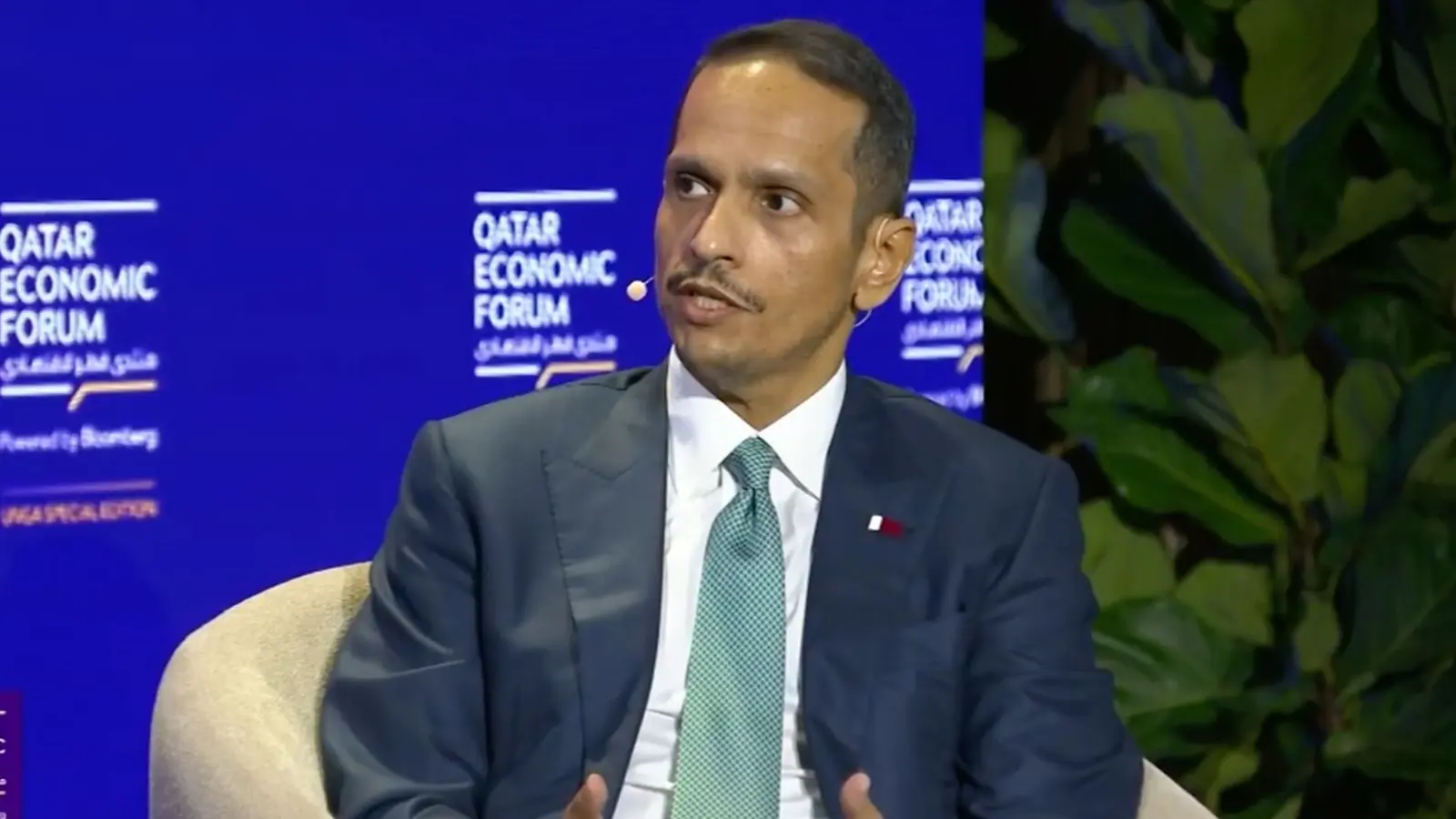
Qatar's Prime Minister has urged the creation of a regional security framework that would include Iran, speaking to Bloomberg in an exclusive interview. The remarks come as Gulf states continue navigating shifting alliances and security concerns in the post-war Middle East landscape.
The Prime Minister emphasized that the Gulf region cannot return to its pre-war status quo without establishing formal security arrangements. He stressed that lasting stability requires a structured approach where no nation views another as an inherent threat.
The proposed framework would aim to normalize relations between Gulf Cooperation Council members and Iran through diplomatic channels rather than military posturing. Regional analysts note that such an initiative would need to address longstanding tensions over maritime security, trade routes, and energy cooperation.
Can Diplomacy Replace Confrontation?
„The Gulf won't be the same as before the war unless there's a security framework ensuring no one is a threat to anyone else,”the Prime Minister stated. This represents a significant shift from traditional GCC foreign policy, which has historically maintained distance from Iran.
Experts suggest that Qatar's proposal faces considerable challenges, particularly given recent geopolitical developments. Saudi Arabia and other GCC members have yet to publicly endorse similar overtures toward Iran, though behind-the-scenes discussions continue.
The initiative aligns with broader international efforts to de-escalate tensions in the Persian Gulf. However, implementation would require addressing mutual distrust and competing regional interests that have defined Gulf politics for decades.
Regional security experts believe that any framework must include verification mechanisms and dispute resolution processes. The success of such arrangements would depend heavily on Iran's willingness to engage constructively with its neighbors.
Frequently Asked Questions
What specific security concerns did the Prime Minister address? He focused on preventing any Gulf nation from perceiving another as an existential threat, emphasizing the need for formal diplomatic structures over informal understandings.
How have other GCC countries responded to this proposal? Public responses remain limited, though private discussions suggest cautious interest among some member states about exploring diplomatic solutions with Iran.
What obstacles might prevent this framework from materializing? Key challenges include historical mistrust, competing territorial claims, and differing strategic priorities among regional powers, all requiring careful negotiation.