Competing Blocs and India’s Strategic Tightrope
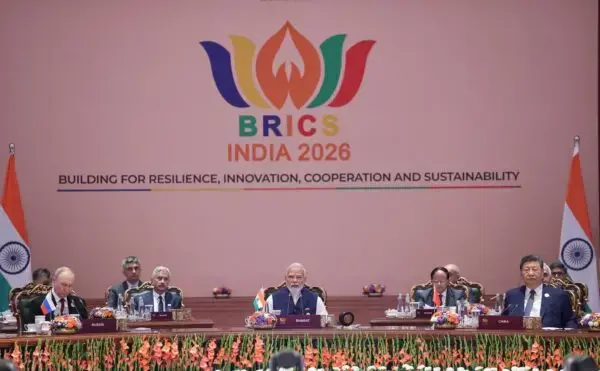
Prime Minister Narendra Modi addressed the 2026 BRICS summit in China this month. The event coincided with major gatherings involving SCO members and US-China diplomatic efforts. These concurrent summits highlight deep divisions over global governance. India finds itself navigating between competing blocs. Leaders are debating who will shape future international rules. The timing underscores the urgency of diplomatic positioning.
The current diplomatic calendar reveals clashing visions for the post-pax world. Western nations often prioritize traditional alliances and market-based systems. Meanwhile, emerging powers push for institutional reform and greater voting rights. India must balance its relationships with both groups. It seeks to maintain strategic autonomy while securing economic benefits. This balancing act requires careful negotiation at every forum.
The SCO and BRICS forums offer distinct platforms for non-Western cooperation. SCO focuses heavily on security and connectivity among Eurasian states. BRICS emphasizes financial innovation and trade diversification away from the dollar. India participates actively in both, seeking to leverage their networks. However, internal disagreements within these groups can complicate unified action. For instance, trade disputes or geopolitical tensions may stall joint initiatives.
Can India Bridge the Gap Between Rival Powers?
Modi’s presence at the 2026 BRICS meeting signals continued engagement. He likely discussed infrastructure projects and digital currency frameworks. These topics aim to reduce reliance on existing Western-dominated financial channels. Simultaneously, high-level talks between US President Donald Trump and Chinese President Xi Jinping suggest a separate track. This bilateral channel addresses trade imbalances and technology competition. India watches these interactions closely, as outcomes directly affect its export markets.
India’s role is increasingly viewed as a potential bridge between East and West. Its democratic credentials appeal to Western partners. Its large market and growing economy attract Asian counterparts. Yet, this dual identity creates friction. Western allies sometimes question India’s closeness to Russia. Asian partners wonder if India will eventually align fully with one side. Diplomats work to reassure both camps that India remains independent.
Frequently Asked Questions
Data from recent trade agreements shows shifting patterns. Supply chains are being restructured to include more Asian nodes. India benefits from this trend through increased manufacturing investments. However, it faces pressure to choose sides on specific sanctions or tariffs. A misstep could cost valuable partnerships. Therefore, New Delhi adopts a case-by-case approach to each issue.
How does the 2026 BRICS summit differ from previous years? The 2026 summit places greater emphasis on financial decoupling and digital infrastructure. It occurs alongside heightened US-China tensions, raising the stakes for member alignment.
Why is India concerned about the SCO and BRICS overlap? India worries that overlapping memberships create conflicting obligations. It must ensure its policies remain consistent across both security and economic forums.