Re‑examining Historical Legacies in the Classroom
On Saturday, Julian Lees, the shadow education minister, addressed a national teachers’ conference in Melbourne, urging schools to shift focus from rote national symbols to critical thinking about values and pride. He recalled requesting a copy of the Australian Constitution for his tenth birthday, a gesture he said highlighted his long‑standing interest in civic education.
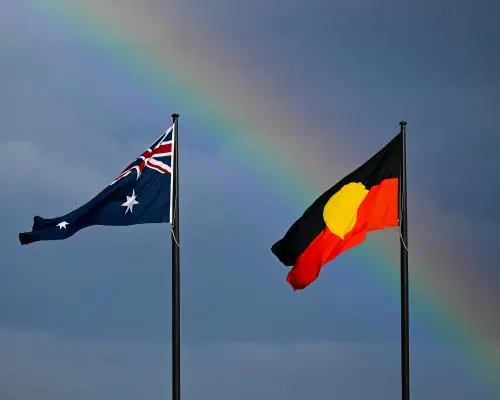
Lees argued that Australia’s schooling system still clings to outdated rituals, such as compulsory flag‑raising, which he believes distracts from deeper lessons about Indigenous history and personal responsibility. He cited a Victorian law from 1886 that still influences emergency protocols across the country, noting that its legacy underscores how antiquated statutes can shape modern policy. By replacing mandatory ceremonies with discussions on cultural heritage and ethical standards, Lees says students will be better equipped to navigate a diverse society.
The 1886 Victorian legislation, originally designed to coordinate emergency responses, has been invoked repeatedly during natural disasters, from bushfires to floods. Critics argue that its continued relevance reflects a broader reluctance to update foundational rules. Lees highlighted that the same inertia appears in education, where traditional patriotic exercises persist despite calls for reform. He pointed to recent surveys showing that Indigenous students feel disengaged when curricula prioritize symbols over substantive content. „We must teach our children to evaluate concepts like pride and values, not just to salute a flag,” Lees said.
Should Schools Prioritize Critical Values Over Flag‑Raising?
Educators at the conference debated the practicality of replacing flag ceremonies with value‑based lessons. Some argued that national symbols foster unity, while others, echoing Lees, warned that forced patriotism can alienate minority groups. Data from the Australian Bureau of Statistics indicates a steady rise in multicultural enrollment, suggesting a need for more inclusive teaching methods. Proponents of the change propose integrating Indigenous perspectives into civics classes, using the Constitution as a living document rather than a relic.
If schools adopt Lees’s recommendations, the immediate effect could be a more engaged student body, particularly among Indigenous learners. Longer‑term, the shift may produce citizens who question policies critically and appreciate a broader definition of national identity. The debate is likely to influence upcoming curriculum reviews and could prompt legislative amendments to outdated statutes like the 1886 law.
Frequently Asked Questions
What is the 1886 Victorian law mentioned by Lees? It is an emergency‑management act enacted in colonial Victoria that still underpins coordination of disaster response across Australia today.
How would replacing flag‑raising with values education work in practice? Schools could allocate the time spent on ceremonies to lessons on civic responsibility, Indigenous history, and ethical decision‑making, using interactive discussions and community projects.
Will this change affect all Australian schools equally? Implementation would vary by state and territory, depending on local education authorities and the pace of curriculum reform.