Domestic Popularity Struggles Contrast With International Posturing
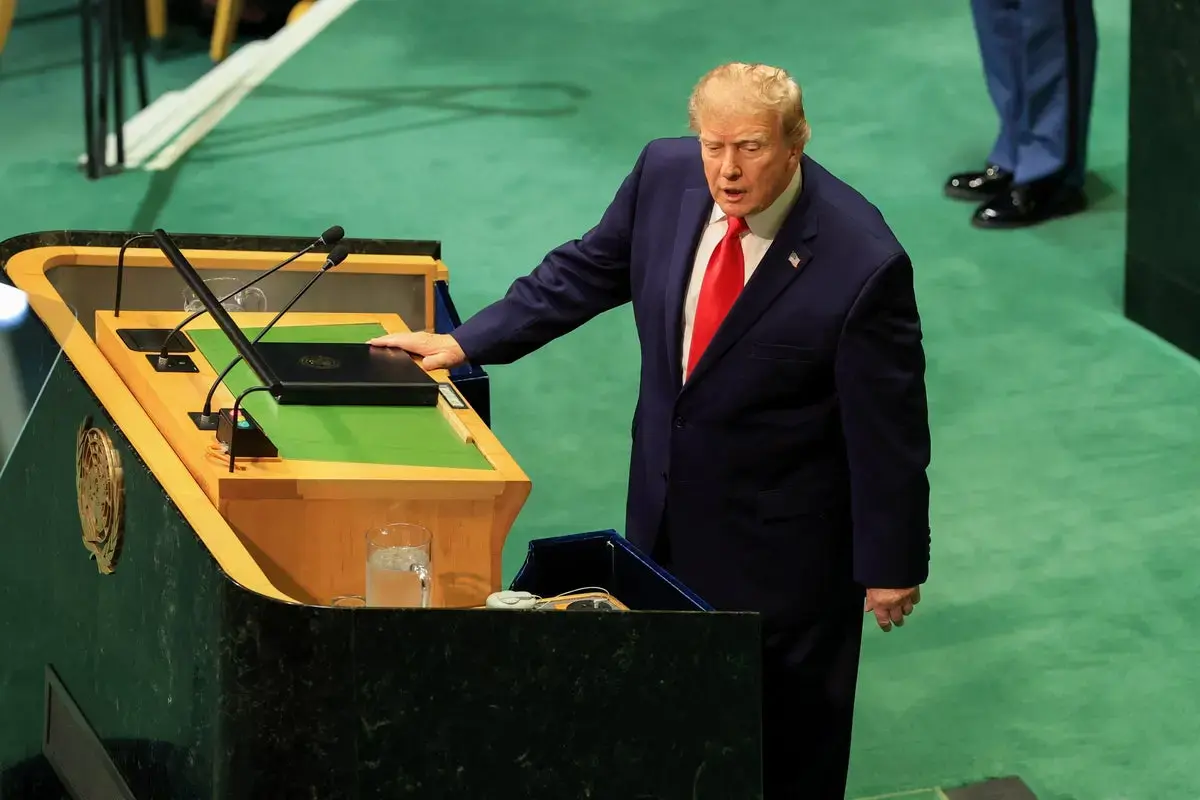
President Donald Trump delivered a bold address to the United Nations General Assembly on Tuesday, September 22, 2026. He positioned himself as the definitive leader of the international community. The speech took place in New York, where world leaders gather annually. Despite his confident tone, many delegates appeared unconvinced by his assertions. The event highlighted a growing disconnect between American rhetoric and diplomatic reality.
The president’s remarks were characterized by their bombastic nature and unusual delivery. He emphasized his administration’s strength and influence on the global stage. However, the reaction from the General Assembly was notably subdued. Delegates maintained serious expressions, suggesting they were not fully persuaded by the performance. This muted response contrasted sharply with the high energy of the speech itself.
This display of confidence occurs at a critical moment for Trump’s political standing. His approval ratings at home have dropped to their lowest point in a decade. This decline marks a significant shift in his long political career. The juxtaposition of domestic unpopularity and international bravado raises questions about his strategy. Critics argue that projecting strength abroad may be an attempt to distract from internal challenges. The timing suggests a deliberate effort to redefine his legacy before key upcoming events.
Why Does the Gap Between Rhetoric and Reality Matter?
Observers noted that the speech lacked specific policy details. Instead, it focused heavily on personal achievements and broad themes. This approach aligns with his previous communication styles but felt out of step with current diplomatic norms. The General Assembly, composed of diverse nations, often seeks clarity and cooperation. Trump’s unilateral tone did not resonate with many representatives who value multilateral engagement.
The discrepancy between Trump’s claims and the visible skepticism of the UN highlights a broader trend. It reflects increasing fragmentation in global diplomacy. As the US pushes for a leadership role, other nations are recalibrating their expectations. They are less willing to accept American dominance without clear benefits or concessions. This dynamic could reshape alliances and trade agreements in the coming years. The lack of immediate buy-in from the General Assembly signals that trust must be rebuilt through action, not just words.
Looking ahead, the consequences of this disconnect will likely persist. If domestic support continues to wane, the pressure on foreign policy decisions will intensify. Future diplomatic efforts may face greater scrutiny from both home and abroad. The next few months will test whether Trump can translate his rhetorical confidence into tangible results. Until then, the world watches closely, waiting for proof that the new global order is stable and inclusive.
Frequently Asked Questions
When did Trump deliver this speech to the UN? The address took place on Tuesday, September 22, 2026. It occurred during the annual session of the United Nations General Assembly in New York.
How did the General Assembly react to the speech? Delegates displayed stone-faced expressions, indicating skepticism. Many observers noted that the reaction was far less enthusiastic than the speech’s tone suggested.
Why is this speech significant given his domestic popularity? It highlights a stark contrast between his international posturing and declining approval ratings at home. This gap suggests a strategic effort to project strength despite internal political headwinds.