Strategic Consolidation in Occupied Territories
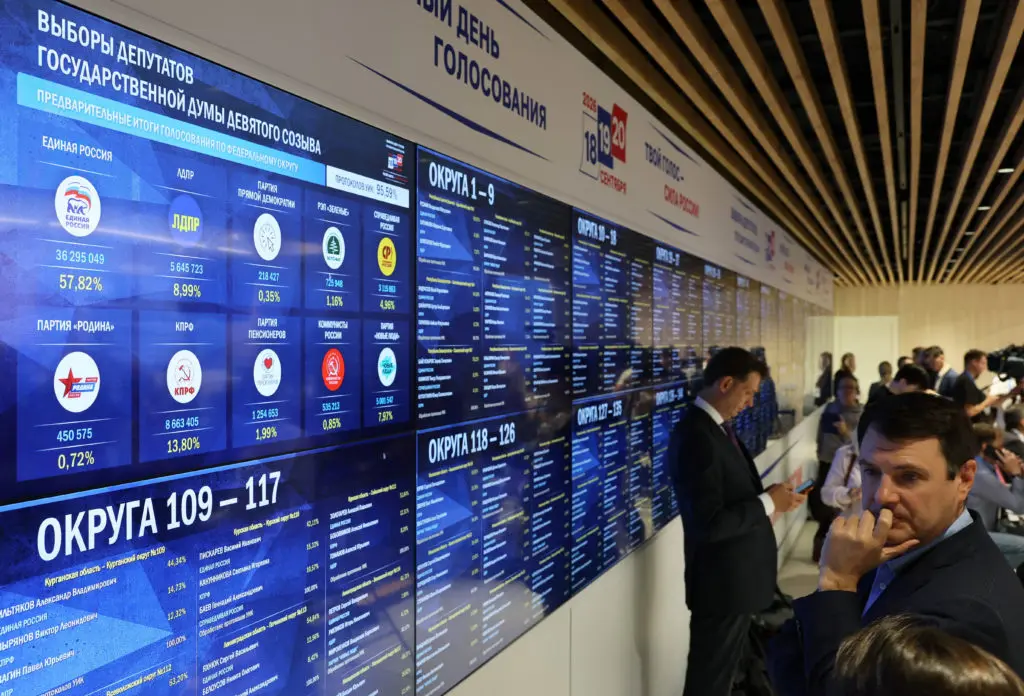
In the occupied Donetsk region, voters cast ballots in a tightly managed election. The process unfolded under strict Kremlin oversight. United Russia, the ruling party, secured its majority in the State Duma. This outcome reflects the broader political strategy of Moscow. The vote took place across various districts controlled by Russian forces. Officials emphasized the importance of maintaining legislative stability. The results were announced quickly following the close of polling stations.
The election was designed to reinforce the executive branch’s power. Organizers focused on high turnout and minimal disruption. Security personnel monitored key voting centers closely. The goal was to ensure that pro-government candidates won decisively. This approach mirrors previous parliamentary elections in Russia. The Kremlin views the Duma as an essential tool for policy implementation. By keeping control, the leadership ensures smooth passage of laws.
Voting in the Donbas area highlights the integration of new regions into the federal system. Local administrators coordinated with central authorities to streamline the process. Voters faced a limited choice of candidates, favoring those aligned with Moscow. The atmosphere remained calm but heavily supervised. Observers noted a significant presence of election commissions. These bodies worked to validate the results rapidly. The exercise serves to legitimize Russian administration in the area. It also signals to domestic audiences that the government remains stable.
Does the Vote Reflect Genuine Public Will?
Critics argue that the process lacks transparency and genuine competition. Independent parties struggled to gain visibility or support. The campaign period was short and often dominated by state media. Many voters reported feeling pressured to choose the incumbent party. Despite these concerns, official figures claim high approval ratings. The results suggest a strong mandate for the current leadership. However, analysts point to the logistical challenges of voting in conflict zones. The outcome may be less about preference and more about administrative control.
The retention of power by United Russia sets the stage for future legislative sessions. The Duma will likely focus on economic reforms and military spending. Opposition voices remain marginal within the chamber. This consolidation allows the Kremlin to push its agenda forward. International observers continue to watch the developments closely. The long-term stability of the region depends on how effectively Moscow manages these new territories. The political landscape remains firmly under executive command.
Frequently Asked Questions
Which party maintained control of the State Duma? United Russia kept its dominant position in the parliament. The party secured enough seats to pass major legislation without significant opposition.
Where did this specific voting take place? The described voting occurred in the Donetsk region. This area is currently under Russian military and administrative control.
What is the primary purpose of this election? The vote aims to solidify the Kremlin’s legislative authority. It also helps integrate newly occupied regions into the national political framework.