How Close Are We to Tipping Points?
A comprehensive annual assessment by international researchers reveals that seven out of nine critical planetary boundaries essential for sustaining life on Earth have now been exceeded, marking the most severe degradation ever recorded. The findings, released amid escalating industrial activity and widespread ecosystem disruption, indicate that human-driven pressures have pushed key environmental systems beyond safe operating limits, threatening the stability of conditions that have supported civilization for millennia.
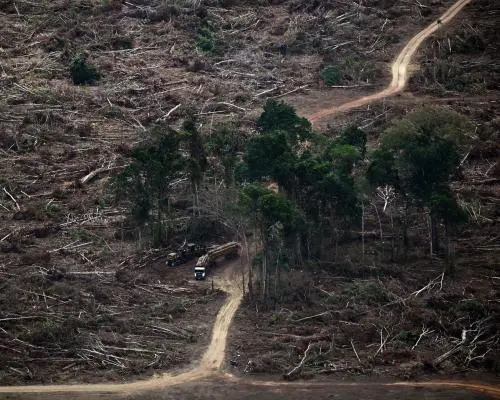
The planetary boundaries framework, which identifies thresholds for processes like climate change, biodiversity loss, and freshwater use, shows that biogeochemical flows—particularly nitrogen and phosphorus pollution from agriculture—are among the most severely breached. Land-system change, driven by deforestation and urban expansion, has also surpassed safe levels, disrupting carbon storage and habitat integrity. Scientists emphasize that these boundaries are interconnected; exceeding one increases the risk of cascading failures across others, potentially triggering abrupt and irreversible environmental shifts.
What Does This Mean for Future Generations?
Researchers warn that while some systems show resilience, the cumulative stress raises the likelihood of sudden, large-scale changes in Earth’s functioning. For instance, continued degradation of forests and wetlands could weaken the planet’s ability to regulate climate and water cycles, even if emissions were reduced. The report stresses that current trends are not inevitable but reflect policy and economic choices that prioritize short-term gains over long-term stability. Scientists call for urgent transformation in energy, food, and land-use systems to avoid crossing points of no return.
The breach of multiple planetary boundaries suggests that the safe operating space for humanity is shrinking, with potential consequences including reduced agricultural yields, increased frequency of extreme weather, and greater instability in food and water supplies. While Earth has endured past environmental shifts, the current pace and scale of change are unprecedented in human history. Experts caution that without decisive action, the conditions that enabled societal development may no longer be reliable, posing profound challenges for adaptation and survival.
What are planetary boundaries? Planetary boundaries are scientific thresholds that define the limits within which Earth’s systems can remain stable and conducive to human life. Exceeding them increases the risk of abrupt or irreversible environmental changes.
Frequently Asked Questions
Can the damage still be reversed? Some aspects, like ozone depletion, have shown recovery due to global cooperation, but others, such as biodiversity loss, require sustained and systemic intervention. Recovery depends on timely and coordinated action across nations and sectors.
Is climate change the only boundary we’ve crossed? No. While climate change is a major concern, boundaries related to biodiversity, land use, nutrient cycles, and freshwater use have also been exceeded, indicating a broader crisis of planetary destabilization.