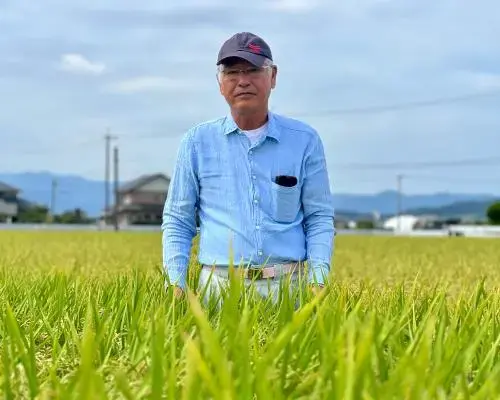
Farmers report that the new variety requires similar water and fertilizer inputs but delivers more stable yields
In Shiroishi, Japan, farmers are adopting new heat-tolerant rice strains like hinatamaru to combat declining yields caused by climate change. With rising summer temperatures threatening traditional crops, agricultural communities are turning to resilient varieties that can withstand extreme heat while maintaining grain quality and output. Local farmers, including 63-year-old Haruki Kawasaki, have begun planting hinatamaru after seeing its potential in test fields. The variety, known for its plump grains and strong resistance to high temperatures, showed promising growth during June planting rituals that included Shinto blessings for a bountiful harvest. How Heat-Resistant Strains Are Changing Farming Practices The shift to hinatamaru reflects a broader adaptation strategy as Japan faces more frequent heatwaves. Unlike older rice varieties that suffer from sterility and poor grain filling under heat stress, this strain maintains productivity even when temperatures exceed 35°C during flowering.
Farmers report that the new variety requires similar water and fertilizer inputs but delivers more stable yields. Can Traditional Methods Coexist with Agricultural Innovation? Despite embracing science-backed solutions, many farmers continue to honor cultural traditions. In Shiroishi, Shinto priests still bless the fields before planting, blending spiritual practices with modern agronomy. This balance allows communities to preserve heritage while responding to environmental pressures through innovation. Frequently Asked Questions What makes hinatamaru different from regular rice? Hinatamaru is specifically bred to resist heat stress during critical growth stages, particularly flowering, which helps prevent yield loss in hot summers. Do farmers need to change their farming techniques for this variety? No, hinatamaru grows under similar conditions to conventional rice, requiring no major adjustments in irrigation or fertilization. Will heat-resistant rice affect the taste or texture of the grain?
Early reports indicate that hinatamaru maintains the desirable plump texture and flavor preferred in Japanese cuisine, with no noticeable decline in quality.