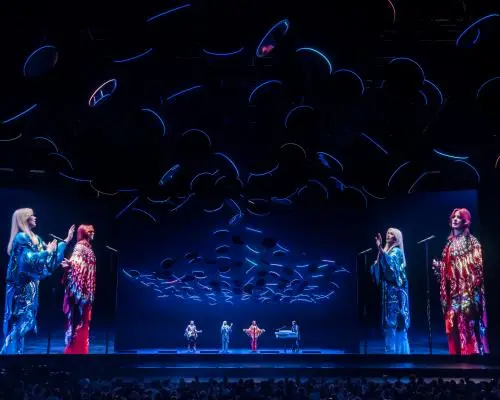
The Mechanics of Digital Resurrection
AI technology now allows creators to simulate minute biological details. This includes how tears evaporate between blinks. It also mimics subcutaneous blood flow under the skin. These advancements make virtual performers look shockingly realistic. Fans can now watch digital versions of deceased artists. Janis Joplin and The Beatles are among the resurrected acts. This trend raises significant ethical questions for the music industry. Who actually benefits from these digital afterlives? The technology blurs the line between memory and reality. It challenges our perception of how we honor the dead. The rise of these concerts is rapid and controversial.
Unit1 Studio is a key player in this emerging field. CEO Barney Wragg explained the technical depth involved. The goal is to capture human micro-expressions perfectly. AI analyzes vast datasets of an artist's past performances. It reconstructs facial movements and vocal nuances with precision. The simulation extends to physiological processes. Tears drying on the cheek are rendered in real-time. Blood circulation patterns beneath the skin are calculated. These details create an uncanny sense of life. The avatars do not just look real; they feel present. This level of fidelity was impossible just a few years ago. Computing power has surged to support these complex renders. The technology moves beyond simple video interpolation. It builds a dynamic, responsive digital entity. Viewers interact with a performance that feels immediate. The gap between the living and the digital is closing. This has profound implications for live entertainment.
Fans may prefer the perfect, unaging digital version. Original recordings become secondary to the new experience. The authenticity of the original artist is overshadowed. Legal battles over rights are likely to increase. Estates must decide how to license these digital twins. Creative control becomes a complex legal and ethical minefield.
Who Owns the Digital Afterlife?
The primary beneficiaries are currently the technology providers. Studios like Unit1 gain significant commercial leverage. They hold the keys to the digital resurrection process. Fans get a nostalgic but artificial experience. The original artists receive no further royalties. Their likenesses are used without their consent. This creates a moral dilemma for the music world. Is it a tribute or a form of exploitation? The line between homage and theft is blurred. Estates may struggle to protect their legacy. Digital rights management will need new frameworks. Current laws were not written for AI avatars. Regulators are likely to face pressure to act. The industry must define acceptable usage boundaries. Without clear rules, exploitation risks increasing. Fans might not distinguish between real and fake. This could devalue the work of living artists. The market may shift toward digital-only performances. Physical concerts could become a niche luxury.
The emotional impact of seeing a dead star sing. It offers closure for grieving fans. But it also prevents the natural process of letting go. The digital ghost remains forever, unchanging and perfect. This permanence clashes with the nature of human memory. We must ask if this is truly what we want. The convenience of AI is not always the right path. Ethical guidelines must precede widespread adoption. The music industry stands at a critical crossroads. Decisions made now will shape the future of art. We must prioritize human dignity over technological spectacle. The dead deserve rest as much as the living. Frequently Asked Questions Can AI truly replicate a human performance? Current technology simulates visual and audio details closely. It mimics biological signs like blood flow and tear evaporation. However, it lacks genuine human emotion and spontaneity.
Who profits from these digital concerts? Technology studios and platform owners gain the most revenue. Original artists do not receive posthumous earnings from these shows. This shift changes the traditional music royalty structure.