AI Governance Takes Center Stage
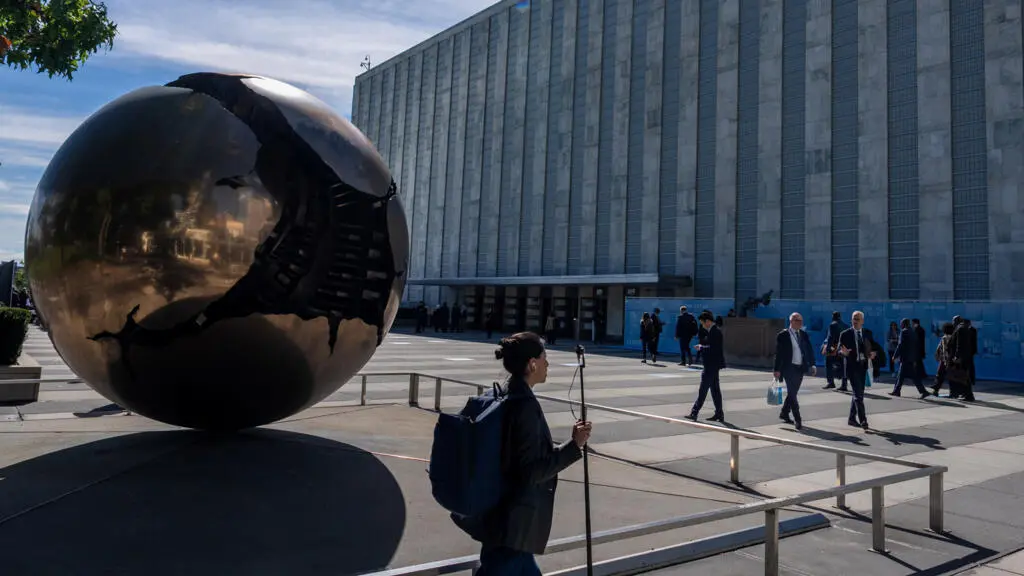
The United Nations General Assembly opened its annual session this week in New York, drawing heads of state from 193 member nations. Delegates gathered against a backdrop of active conflicts in the Middle East and Ukraine, heightened concerns over artificial intelligence, and mounting economic and climate challenges. The assembly, which runs for several days, serves as a global forum for diplomatic dialogue and policy coordination.
The agenda reflects a world under strain. The war in Gaza has intensified humanitarian crises, while the fighting in Ukraine continues to disrupt energy markets and food supplies across Europe and beyond. Simultaneously, rapid advances in AI have sparked debate over regulation, ethical use, and potential threats to employment and security. Climate change adds another layer of urgency, with extreme weather events pressuring nations to accelerate green investments. Leaders are expected to address these intertwined issues through speeches, bilateral meetings, and multilateral negotiations, seeking consensus on peace initiatives, technology governance, and sustainable development.
Artificial intelligence emerged as a focal point of the assembly. Several heads of state warned that unchecked AI development could exacerbate geopolitical tensions and undermine democratic institutions. A senior UN official highlighted a recent surge in AI‑driven disinformation campaigns targeting election processes in multiple regions. In response, a coalition of countries proposed a framework for international AI standards, emphasizing transparency, accountability, and shared research. Critics argue the proposal lacks enforcement mechanisms, but supporters claim it marks a crucial first step toward global cooperation on emerging technologies.
Can Diplomacy Bridge the Growing Global Divide?
The assembly also confronted widening economic and ideological gaps between nations. Developing countries voiced frustration over unequal vaccine distribution and limited access to climate financing. Meanwhile, wealthier states emphasized the need for fiscal responsibility and market reforms to stabilize the global economy. A prominent European leader called for a „new social contract” that balances growth with social equity, urging richer nations to honor climate pledges and debt relief commitments. Observers note that without tangible concessions, the divide could deepen, hampering collective action on security and environmental threats.
As the General Assembly concludes, the world watches for concrete outcomes. While symbolic speeches dominate headlines, the real test lies in translating dialogue into actionable policies. Successful agreements on AI regulation, conflict resolution, and climate finance could reshape international relations for years to come. Failure to bridge divides may fuel further instability, prompting nations to pursue unilateral strategies that could undermine global governance structures.
Frequently Asked Questions
What are the main security concerns discussed at the UN this week? Leaders focused on the ongoing wars in Gaza and Ukraine, the risk of AI‑enabled cyber attacks, and the potential for regional spillovers that could threaten global stability.
How is the UN addressing AI regulation? Member states debated a voluntary framework promoting transparency, ethical standards, and collaborative research, though binding enforcement remains unresolved.
Will climate financing improve for poorer nations? Developing countries urged richer states to fulfill existing climate pledges and expand funding mechanisms, but final commitments depend on negotiations in upcoming climate summits.