Her generation, she explains, often had to make noise, close streets
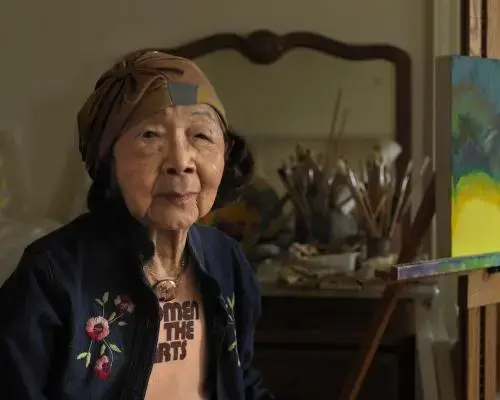
In January 1971, art historian Linda Nochlin published her groundbreaking essay questioning the absence of great women artists, sparking a global reckoning in the art world. More than fifty years later, Ce Roser, a 101-year-old veteran, recalls how that moment resonated beyond galleries, touching lives shaped by war and silence. Speaking against the backdrop of a British theatre performance, Roser shared memories of survival and defiance during wartime, linking personal courage to broader cultural change. Roser’s testimony reveals how Nochlin’s challenge extended into lived experience, particularly for women who navigated conflict and creativity in eras that overlooked them. „It wasn’t just a problem for artists,” Roser insists, noting that her peers faced barriers not only in studios but in society at large.
Her generation, she explains, often had to make noise, close streets, and claim space simply to be heard—a direct parallel to the essay’s call to dismantle invisible walls in the arts. How War Shaped a Lifelong Commitment During the war, Roser served in support roles that kept her close to the frontlines, where she witnessed both loss and resilience. She describes using art not as escape but as testimony—sketching in trenches, writing letters that doubled as poems, and later teaching others to express trauma through creativity. These acts, she says, were quiet rebellions against erasure. „We made noise,” she repeats, „because silence was the enemy.” Her stories align with Nochlin’s argument that opportunity, not talent, dictated who got remembered in history. What Does It Mean to Be Remembered at 101? Now, at 101, Roser sees her longevity as a responsibility to bear witness.
She participates in intergenerational dialogues
She participates in intergenerational dialogues, urging young artists to question who gets included in museums and textbooks. Her message is clear: the fight Nochlin began is unfinished, and every generation must renew it. „We didn’t just survive,” she says. „We insisted on being part of the story.” Frequently Asked Questions How did Linda Nochlin’s 1971 essay influence veterans like Ce Roser? The essay inspired veterans to see their own struggles for recognition as part of a larger cultural movement, linking artistic equity to personal experiences of marginalization during and after war. What specific actions did Ce Roser take during wartime to express herself? She sketched in combat zones, wrote poetic letters to loved ones, and later taught creative expression as a tool for healing and resistance among fellow service members. Why does Ce Roser believe her story matters today?
She believes her long life gives her a duty to challenge ongoing inequities in the arts, ensuring that forgotten voices—especially those of women and veterans—are finally acknowledged.